THE CHALLENGE:
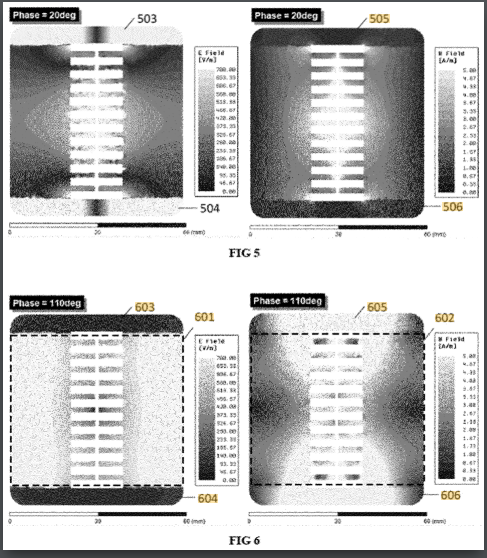
Antenna design for skin-worn or industrial-mount sensors often faces a physics-based conflict: the high permittivity of the mounting surface (human tissue or specialized materials) usually detunes the antenna or forces a larger footprint to maintain efficiency. The engineering goal was to break the 50% size barrier while maintaining a robust link budget on high-dielectric surfaces.
THE ENGINEERING SOLUTION:
This innovation introduces a novel architectural approach to antenna geometry, optimized specifically for high-permittivity environments.
- 50% Footprint Reduction: By leveraging specialized feed structures and resonant geometries, this design achieves significant miniaturization without the typical radiation efficiency trade-offs.
- Surface-Agnostic Stability: The architecture is engineered to utilize the high-permittivity environment to its advantage, maintaining peak performance and impedance matching even in fluctuating proximity to the mounting surface.
- Next-Gen Wearable Integration: This advancement enables the next generation of ultra-compact “patch” sensors and wearable monitors that remain nearly invisible to the user while providing industrial-grade RF connectivity.